
The Origin of Wellness Through Nutrition
Functional Nutrition by Brandi West!
At Origin Family Wellness, parents are supported with a functional, root-cause approach to nutrition designed to bring understanding, direction, and hope, especially for families navigating autism and ADHD.

Services Designed to Support Families

Practical nutrition strategies parents can use to support their child’s unique needs, using a functional medicine–informed lens.

Supportive 1:1 coaching for parents to gain clarity and confidence in guiding their child’s nutrition and wellness.

A well rooted functional medicine approach, helping your child feel regulated and understood through practical strategies for daily routines.
Born From a Mother’s Journey – Brandi West

Origin Family Wellness was founded by Brandi West, a mother whose life changed when her child was diagnosed with autism. After investing thousands of dollars in specialists, testing, and coaching, and still feeling overwhelmed, she discovered the power of functional nutrition and root-cause care.
Now a functional nutrition practitioner and holistic health coach, Brandi helps parents access the clarity she once searched for. Her role is to guide families with empathy, education, and practical strategies, because she understands this journey firsthand.
Why Origin?

Education
Nutrition is an often overlooked aspect of wellness. Education in functional nutrition is a key element to wellness and one of the key methods of Origin.

Attainable Wellness
Through a comprehensive grasp of illness origins and the pivotal role of nutrition, formulating realistic objectives in health optimization via nutritional interventions is essential.

Personalized Approach
Every individual is unique, necessitating a tailored assessment and strategy to forge a genuinely holistic functional wellness plan.
You love your child deeply, but love alone doesn’t give you a roadmap.
That's what Brandi offers.
What is Functional Nutrition?
Functional nutrition represents a holistic approach to health and wellness, focusing on identifying and addressing the root causes of health issues rather than just treating symptoms. Within a functional medicine nutrition framework, functional nutrition takes into account the unique physiological, genetic, and environmental factors of each individual. Unlike standard diets and traditional Western medicine, which often emphasize generalized dietary guidelines and pharmaceutical interventions, this personalized strategy encourages a comprehensive examination of one’s lifestyle, diet, and biochemical makeup, aiming to optimize overall health and prevent diseases. By emphasizing the importance of high-quality, nutrient-dense foods, functional nutrition supports the body’s natural healing processes and promotes a state of balance and well-being.
Moreover, functional nutrition integrates a broader spectrum of care modalities, including stress management, exercise, and mindfulness practices, to address all aspects of an individual’s life that can impact health. This contrasts with the more segmented approach of Western medicine, which often separates physical health from mental and emotional well-being. Functional nutrition advocates for a collaborative relationship between the practitioner and patient, empowering individuals to take an active role in their health journey. Through this holistic and integrative approach, functional nutrition not only aims to alleviate symptoms but also seeks to enhance vitality and quality of life, offering a more comprehensive and preventive health solution.
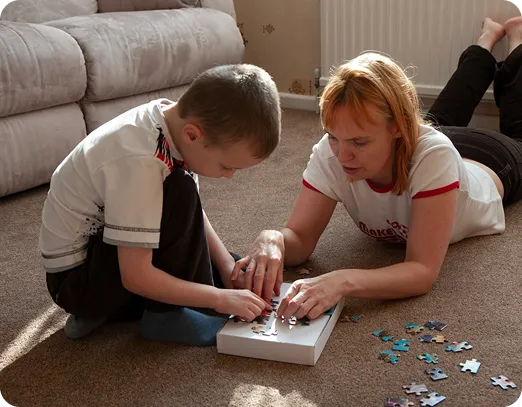
Start With Support, Not Pressure
If you’re feeling stuck, exhausted, or unsure what to try next, Origin Family Wellness offers guidance tailored to you and your child, without judgment or overwhelm. The goal is to support functional health and wellness in a way that feels realistic, compassionate, and sustainable for your family.
What’s included:
Step-by-step, realistic action plans
Support from someone who truly understands
Nutrition guidance specific to autistic needs
Root-cause functional insight
Real Parents. Real Progress. Real Hope.
This platform has completely transformed how we manage our marketing campaigns. The ease of use and powerful features have made a significant impact on our ROI.


The automation capabilities are incredible. We've saved countless hours and improved our customer engagement significantly.


The analytics and reporting features give us insights we never had before. Our conversion rates have improved by 40%.


Not ready for a call? That’s completely okay.
Start gently with a free guide for parents who want practical ways to support their child’s nutrition.
Download Brandi’s free guide:
“First Steps to Supporting Your Child Through Nutrition.”
Read Insights, Support & Practical Tips
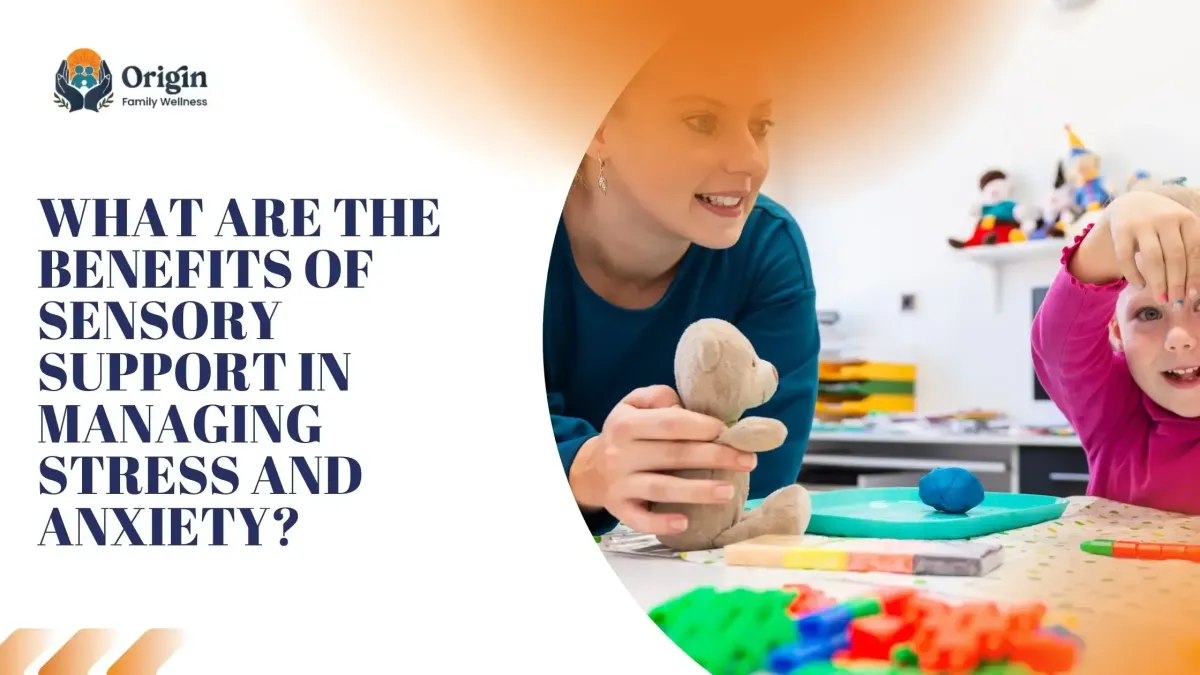
What Are The Benefits of Sensory Support in Managing Stress and Anxiety?
Stress can build quietly until the mind feels crowded and the body feels tense. The sensory input may soften that strain in gentle ways. Still, many readers want to know how these calming tools can improve stress and anxiety relief.
Quick Answer
Sensory support can calm the nervous system and lower overload before tension grows. It can create emotional steadiness and sharper focus during hard moments. It may also improve sleep and make triggers easier to handle. Over time it teaches self-soothing skills and builds better emotional awareness and control. These benefits help the body feel safer and help daily routines feel less exhausting.
Benefits of Sensory Support for Stress and Anxiety Management
Many stress responses begin in the body before they appear in emotions or behavior. Sensory approaches help settle that early strain which can make each challenge feel more manageable. Let's explore the benefits of sensory support to manage stress and anxiety.
1. Helps Regulate the Nervous System
Stress can keep the nervous system in a constant state of alert. Gentle sensory input, such as deep pressure, movement or calming sound, can help the body recognize that it is safe. As that happens, breathing may slow and muscle tension may begin to ease. When the body starts to settle, the mind often feels calmer too. This can make stressful moments feel less intense and easier to manage. It also creates a steadier foundation for calm and thoughtful responses.
2. Reduces Overstimulation and Sensory Overload
Too much light, noise or touch can flood the brain fast. That flood often raises panic, irritability and shutdown responses. Good sensory support for autism lowers that load before it grows. Simple changes like darker rooms, softer sounds and planned breaks help. With fewer stress signals, the person can recover more easily.
3. Promotes Emotional Calm and Stability
Calm feelings rarely appear when the body stays on edge. Soothing textures, steady rhythms and familiar routines can soften that edge. This gives emotions more room to settle naturally. It also reduces the urge to react right away. Over time, steady routines can build a deeper sense of safety.
4. Improves Focus and Mental Clarity
An anxious brain often jumps between threats, tasks and racing thoughts. That makes school work conversations and planning much harder. Helpful sensory tools can lower inner noise and support clearer thinking. Small supports like fidgets, movement breaks or quiet corners often help. Better focus also improves choices during tense or emotional moments.
5. Supports Better Sleep Quality
Stress and poor sleep often feed each other every night. A restless body struggles to settle when the day feels overwhelming. Calming bedtime input can cue the brain for rest. Soft music, deep pressure and dim light often help. Better sleep then supports patience, mood balance and next day recovery.
6. Helps Manage Anxiety Triggers Effectively
Many triggers start as body discomfort before fear feels obvious. Bright lights, loud rooms and sudden touch can all spark distress. When people spot these patterns early they can plan ahead. They may pack headphones, choose quieter times or shorten exposure. That planning turns random stress into something more manageable.
7. Encourages Self-Soothing Techniques
Self-soothing skills matter because stress cannot always be avoided. People need simple ways to settle themselves in real time. This is why sensory processing disorder support for parents can be valuable too. Adults often need tools before they can guide a child well. Squeezing a pillow, rocking slowly or stepping away can help.
8. Improves Emotional Awareness and Control
Many people notice emotions only after they become intense. Sensory awareness helps them notice early body signals first. They may spot tight shoulders, fast breathing or rising restlessness. Early awareness creates time for calming action and clearer communication. That leads to fewer blowups and better emotional control over time.
Conclusion
Managing stress and anxiety becomes easier when the body feels understood. The right inputs can calm alert systems and reduce daily overload. They can support steadier emotions, clearer thinking and more restful sleep. They also help people prepare for triggers before distress grows. With practice, these tools build self-soothing and stronger emotional control. That matters for children and adults who often feel overwhelmed. That change can make home routines feel calmer and steadier.
Families who want caring guidance can turn to Origin Family Wellness. It offers practical sensory-focused support and parent-centered wellness coaching. Our approach is designed to feel realistic, compassionate and easier to use in daily life.
FAQs
What is sensory support in mental health?
It means using touch, sound, movement or environmental changes to support regulation. The goal is to help the brain and body feel safer. When that happens, stress responses often become easier to manage. It is not a cure and it is a practical support.
How does sensory input reduce anxiety?
Helpful input gives the nervous system signals that feel steady and predictable. That can lower overwhelm and interrupt the buildup of panic. It also improves body awareness which supports earlier coping choices. As a result anxiety feels less sudden and less intense.
Who can benefit from sensory support techniques?
Children, teens and adults can all benefit from these strategies. They are often useful for people with sensory sensitivity, autism, ADHD or high stress. Caregivers can benefit too because calmer routines support the whole home. The best approach depends on each person's needs and responses.