
The Origin of Wellness Through Nutrition
Functional Nutrition by Brandi West!
At Origin Family Wellness, parents are supported with a functional, root-cause approach to nutrition designed to bring understanding, direction, and hope, especially for families navigating autism and ADHD.

Services Designed to Support Families

Practical nutrition strategies parents can use to support their child’s unique needs, using a functional medicine–informed lens.

Supportive 1:1 coaching for parents to gain clarity and confidence in guiding their child’s nutrition and wellness.

A well rooted functional medicine approach, helping your child feel regulated and understood through practical strategies for daily routines.
Born From a Mother’s Journey – Brandi West

Origin Family Wellness was founded by Brandi West, a mother whose life changed when her child was diagnosed with autism. After investing thousands of dollars in specialists, testing, and coaching, and still feeling overwhelmed, she discovered the power of functional nutrition and root-cause care.
Now a functional nutrition practitioner and holistic health coach, Brandi helps parents access the clarity she once searched for. Her role is to guide families with empathy, education, and practical strategies, because she understands this journey firsthand.
Why Origin?

Education
Nutrition is an often overlooked aspect of wellness. Education in functional nutrition is a key element to wellness and one of the key methods of Origin.

Attainable Wellness
Through a comprehensive grasp of illness origins and the pivotal role of nutrition, formulating realistic objectives in health optimization via nutritional interventions is essential.

Personalized Approach
Every individual is unique, necessitating a tailored assessment and strategy to forge a genuinely holistic functional wellness plan.
You love your child deeply, but love alone doesn’t give you a roadmap.
That's what Brandi offers.
What is Functional Nutrition?
Functional nutrition represents a holistic approach to health and wellness, focusing on identifying and addressing the root causes of health issues rather than just treating symptoms. Within a functional medicine nutrition framework, functional nutrition takes into account the unique physiological, genetic, and environmental factors of each individual. Unlike standard diets and traditional Western medicine, which often emphasize generalized dietary guidelines and pharmaceutical interventions, this personalized strategy encourages a comprehensive examination of one’s lifestyle, diet, and biochemical makeup, aiming to optimize overall health and prevent diseases. By emphasizing the importance of high-quality, nutrient-dense foods, functional nutrition supports the body’s natural healing processes and promotes a state of balance and well-being.
Moreover, functional nutrition integrates a broader spectrum of care modalities, including stress management, exercise, and mindfulness practices, to address all aspects of an individual’s life that can impact health. This contrasts with the more segmented approach of Western medicine, which often separates physical health from mental and emotional well-being. Functional nutrition advocates for a collaborative relationship between the practitioner and patient, empowering individuals to take an active role in their health journey. Through this holistic and integrative approach, functional nutrition not only aims to alleviate symptoms but also seeks to enhance vitality and quality of life, offering a more comprehensive and preventive health solution.
Start With Support, Not Pressure
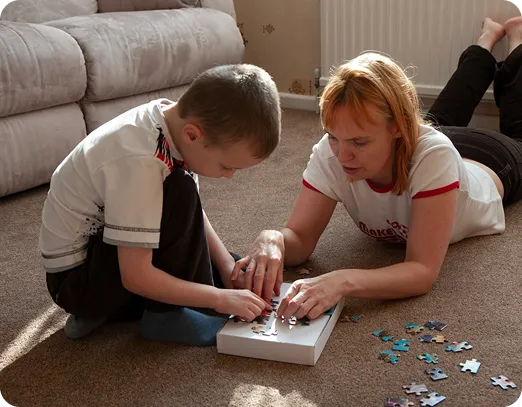
If you’re feeling stuck, exhausted, or unsure what to try next, Origin Family Wellness offers guidance tailored to you and your child, without judgment or overwhelm. The goal is to support functional health and wellness in a way that feels realistic, compassionate, and sustainable for your family.
What’s included:
Step-by-step, realistic action plans
Support from someone who truly understands
Nutrition guidance specific to autistic needs
Root-cause functional insight
Real Parents. Real Progress. Real Hope.
This platform has completely transformed how we manage our marketing campaigns. The ease of use and powerful features have made a significant impact on our ROI.


The automation capabilities are incredible. We've saved countless hours and improved our customer engagement significantly.


The analytics and reporting features give us insights we never had before. Our conversion rates have improved by 40%.


Not ready for a call? That’s completely okay.
Start gently with a free guide for parents who want practical ways to support their child’s nutrition.
Download Brandi’s free guide:
“First Steps to Supporting Your Child Through Nutrition.”
Read Insights, Support & Practical Tips

ADHD Parent Coaching: What It Is and How It Helps Families?
ADHD Parent Coaching: What It Is and How It Helps Families
Introduction
Parenting a child with ADHD is like navigating without a map. Children with ADHD behave in ways that appear unpredictable or difficult to control and even good advice does not work most of the time. This is where ADHD parent coaching helps families. It is a collaborative approach that helps parents understand ADHD as a brain-based difference rather than intentional bad behavior. Coaches guide parents in establishing routines and effective communication strategies. This help is offered to the families when they are going through rough moments such as tight mornings and homework fights. Parents learn how to manage stress, build confidence, and advocate effectively for their child. The children eventually acquire the ability to be more independent and are able to cope with routines at home and at school.
What is ADHD Parent Coaching?
ADHD parent coaching is a partnership. You and a coach sit down and talk through what’s actually happening in your house. Not in theory. In real life. The forgotten backpacks. The endless reminders. The emotional blowups that seem to come out of nowhere.
It’s not about “fixing” your child. It’s about helping you understand ADHD as a brain-based difference, not bad behavior. From there, you work together to set realistic goals and map out practical steps that fit your family’s rhythm. No one-size-fits-all advice. Just strategies that make daily life feel more manageable.
When It Helps Most
This type of coaching is invaluable when:
Mornings feel rushed and tense
Homework time consistently ends in tears or arguments
You’re exhausted from reacting without seeing lasting change
Stress takes over the household before lunch
How Parent Coaching Differs from Traditional Therapy
Parent coaching and traditional therapy for autistic children differ in several key ways. The purpose of parent coaching is to provide practical support and strategies that parents can use in everyday life, while traditional therapy often focuses on healing, emotional processing, and clinical diagnosis. Coaching emphasizes improving daily functioning and skill development through a future- and action-oriented approach, whereas traditional therapy may focus on past and present emotional work.
The time frame for parent coaching is flexible and goal-focused, allowing strategies to be tailored to the child’s routines and family environment. Traditional therapy, on the other hand, often follows a longer-term, structured clinical plan. In coaching, the primary focus is on the parent and the child’s environment, whereas therapy centers on the individual’s internal processes. Past experiences play a minimal role in parent coaching, except as needed to understand behavior, while they can be relevant in traditional therapy.
Diagnosis is not required for parent coaching, as functional skill development is the central goal. Traditional therapy often places diagnosis at the core, along with emotional integration and change. Overall, parent coaching offers high flexibility and practical outcomes, helping families implement strategies that create meaningful functional improvements in daily life, while traditional therapy emphasizes structured emotional support and clinical assessment.
Collaborative, Strength-Based Approach
One of the most powerful shifts coaching brings is perspective. Coaches help you see your child’s quirks not as willful misbehavior, but as part of how their brain actually works. That shift alone can lift a huge weight off your shoulders because when you see behavior as part of neurodiversity, not moral failure, it changes how you respond.
This isn’t about pointing out mistakes. Coaches help you build on strengths, understand patterns, and respond in ways that feel supportive, not confrontational.
Typical Coaching Structure
In most ADHD parent coaching programs:
You review recent challenges that felt hard to solve
You set small, realistic goals together
You create personalized strategies that fit your life
You reflect on what worked and what didn’t
Some families meet in person. Others do it online in sweatpants with a cup of coffee. Good coaches adjust session times around school drop-offs, work schedules, and real-world chaos.
How ADHD Coaching for Parents Helps Families
Here’s how parent coaching gently supports families every day:
Building Parent Understanding and Confidence
This is usually the first big shift.
Parents stop seeing ADHD as a discipline problem and think of it as a brain difference.
Behavior feels neurological, not personal
Impulsivity and distractibility finally make sense
Confidence grows as reactions become calmer
You start trusting yourself again.
Practical Strategies for Behavior and Self-Regulation
Coaches help you develop tools for behaviors like impulsivity, inattention, and emotional outbursts. Here’s a simple table that shows why they matter:
Several practical tools and strategies can help support children with autism in everyday life. Systems for impulsivity provide clear steps or cues for the child to follow, which helps reduce frantic or impulsive reactions. Establishing routines for focus adds predictability to daily life, supporting attention and creating a smoother flow throughout the day. Positive reinforcement celebrates effort and progress, encouraging the behaviors parents want to see more often. Together, these strategies make daily interactions more manageable and help children build important skills over time.
These approaches help behavior feel less like “willful defiance” and more like patterns your child can learn and repeat.
Strengthening Parent–Child Communication
Small language changes can shift the mood at home. Coaches help you:
Speak in ways that feel respectful and clear
Hear the meaning behind behavior instead of reacting fast
Build more moments of connection and fewer clashes
Better communication often leads to calmer, smoother days.
Reducing Family Stress and Supporting Emotional Well-Being
Parenting a child with ADHD can be draining. Coaches offer:
Many parents start coaching already burned out
Coaches share stress tools that fit into real days
As structure improves, tension often fades
As communication and routines improve, tension often goes down too.
Promoting Child Independence and Long-Term Skill Growth
What parents do today affects tomorrow’s independence.
Children learn planning, pacing, and organization skills
Confidence grows as prompting slowly decreases
These skills support teens and adults later on
Consistency Across Home, School, and Community
A coach helps bridge what works at home with what helps at school. You’ll learn how to:
Parents feel more confident talking to teachers
Skills transfer smoothly between home, school, and other environments.
Familiar expectations make life feel steadier
Communication, Advocacy, and Collaboration
Coaching also helps parents speak up.
Conversations with schools feel less intimidating
Progress is easier to track and explain
Advocacy feels calmer and more focused
That strengthens your child’s support system.
Personalized Coaching for Unique Family Needs
No two families are the same.
Coaching respects that by:
Matching strategies to your routine
Adjusting plans as your child grows
Focusing on real problems, not theory
It adapts with you, not the other way around.
Long-Term Benefits for the Entire Family
Over time, families often notice:
Stronger trust and connection
Skills that grow over time
More confidence for everyone
What once felt exhausting starts to feel manageable. Even hopeful.
Read Also: How do I know if my child is on the autism spectrum?
Conclusion
ADHD parent coaching helps families move from reactive cycles to intentional, confident caregiving. It provides tangible resources to parents, enhances communication, and creates systems that foster outcomes for both parents and children. Family members tend to experience greater peace and long-term resilience through personal care and strategies that work well in everyday life. Even when it comes to the everyday business, or when it comes to lifetime skills and academic achievement, autism coaching for parents and ADHD-focused coaching build confidence and bonding that translate into the everyday outcomes. Contact Origin Functional Wellness to get personalized, family-centered support that meets your unique needs.
Frequently Asked Questions
What is the hardest age for ADHD?
The teenage years are often hardest due to emotional, social, and academic challenges.
What 7 things make ADHD worse?
Too much stress, poor sleep, lack of routine, chaos, overwhelm, inconsistency and unclear expectations.
What is the best parenting style for ADHD?
Supportive, structured, consistent, and empathetic.