

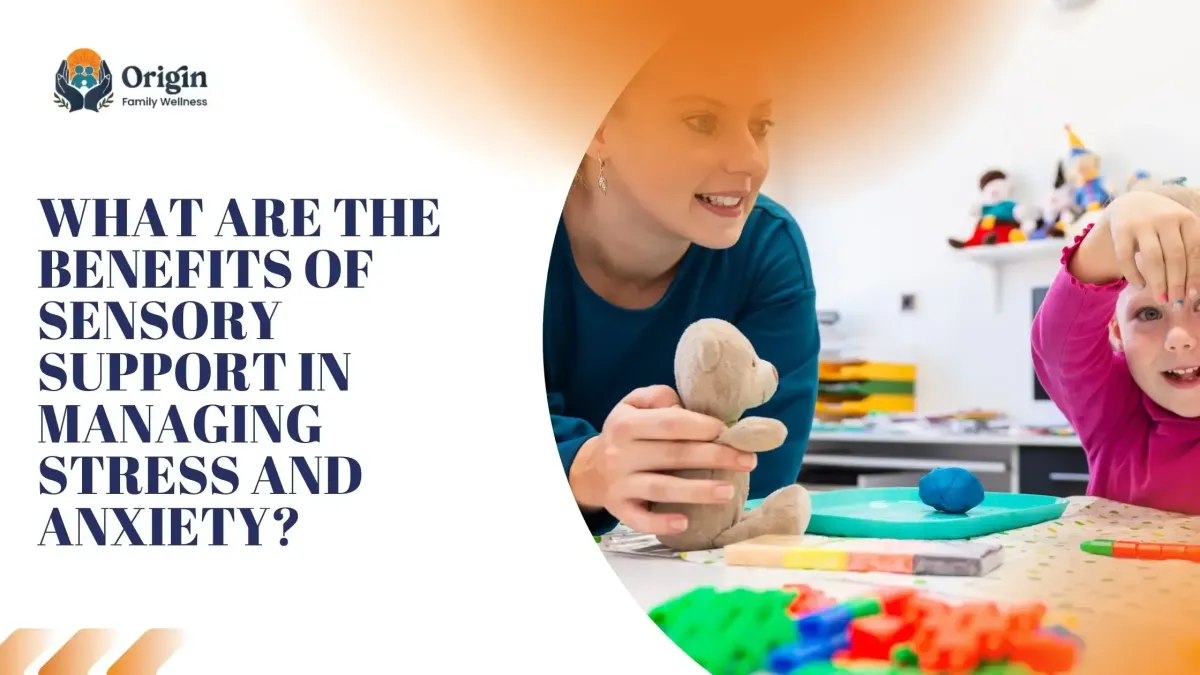
What Are The Benefits of Sensory Support in Managing Stress and Anxiety?
Stress can build quietly until the mind feels crowded and the body feels tense. The sensory input may soften that strain in gentle ways. Still, many readers want to know how these calming tools can improve stress and anxiety relief.
Quick Answer
Sensory support can calm the nervous system and lower overload before tension grows. It can create emotional steadiness and sharper focus during hard moments. It may also improve sleep and make triggers easier to handle. Over time it teaches self-soothing skills and builds better emotional awareness and control. These benefits help the body feel safer and help daily routines feel less exhausting.
Get to know Brandi West and her root-cause approach to whole-body health.
Benefits of Sensory Support for Stress and Anxiety Management
Many stress responses begin in the body before they appear in emotions or behavior. Sensory approaches help settle that early strain which can make each challenge feel more manageable. Let's explore the benefits of sensory support to manage stress and anxiety.
1. Helps Regulate the Nervous System
Stress can keep the nervous system in a constant state of alert. Gentle sensory input, such as deep pressure, movement or calming sound, can help the body recognize that it is safe. As that happens, breathing may slow and muscle tension may begin to ease. When the body starts to settle, the mind often feels calmer too. This can make stressful moments feel less intense and easier to manage. It also creates a steadier foundation for calm and thoughtful responses.
2. Reduces Overstimulation and Sensory Overload
Too much light, noise or touch can flood the brain fast. That flood often raises panic, irritability and shutdown responses. Good sensory support for autism lowers that load before it grows. Simple changes like darker rooms, softer sounds and planned breaks help. With fewer stress signals, the person can recover more easily.
3. Promotes Emotional Calm and Stability
Calm feelings rarely appear when the body stays on edge. Soothing textures, steady rhythms and familiar routines can soften that edge. This gives emotions more room to settle naturally. It also reduces the urge to react right away. Over time, steady routines can build a deeper sense of safety.
4. Improves Focus and Mental Clarity
An anxious brain often jumps between threats, tasks and racing thoughts. That makes school work conversations and planning much harder. Helpful sensory tools can lower inner noise and support clearer thinking. Small supports like fidgets, movement breaks or quiet corners often help. Better focus also improves choices during tense or emotional moments.
5. Supports Better Sleep Quality
Stress and poor sleep often feed each other every night. A restless body struggles to settle when the day feels overwhelming. Calming bedtime input can cue the brain for rest. Soft music, deep pressure and dim light often help. Better sleep then supports patience, mood balance and next day recovery.
6. Helps Manage Anxiety Triggers Effectively
Many triggers start as body discomfort before fear feels obvious. Bright lights, loud rooms and sudden touch can all spark distress. When people spot these patterns early they can plan ahead. They may pack headphones, choose quieter times or shorten exposure. That planning turns random stress into something more manageable.
7. Encourages Self-Soothing Techniques
Self-soothing skills matter because stress cannot always be avoided. People need simple ways to settle themselves in real time. This is why sensory processing disorder support for parents can be valuable too. Adults often need tools before they can guide a child well. Squeezing a pillow, rocking slowly or stepping away can help.
8. Improves Emotional Awareness and Control
Many people notice emotions only after they become intense. Sensory awareness helps them notice early body signals first. They may spot tight shoulders, fast breathing or rising restlessness. Early awareness creates time for calming action and clearer communication. That leads to fewer blowups and better emotional control over time.
Read Also: ADHD Parent Coaching for Better Child Communication
Conclusion
Managing stress and anxiety becomes easier when the body feels understood. The right inputs can calm alert systems and reduce daily overload. They can support steadier emotions, clearer thinking and more restful sleep. They also help people prepare for triggers before distress grows. With practice, these tools build self-soothing and stronger emotional control. That matters for children and adults who often feel overwhelmed. That change can make home routines feel calmer and steadier.
Families who want caring guidance can turn to Origin Family Wellness. It offers practical sensory-focused support and parent-centered wellness coaching. Our approach is designed to feel realistic, compassionate and easier to use in daily life.
FAQs
What is sensory support in mental health?
It means using touch, sound, movement or environmental changes to support regulation. The goal is to help the brain and body feel safer. When that happens, stress responses often become easier to manage. It is not a cure and it is a practical support.
How does sensory input reduce anxiety?
Helpful input gives the nervous system signals that feel steady and predictable. That can lower overwhelm and interrupt the buildup of panic. It also improves body awareness which supports earlier coping choices. As a result anxiety feels less sudden and less intense.
Who can benefit from sensory support techniques?
Children, teens and adults can all benefit from these strategies. They are often useful for people with sensory sensitivity, autism, ADHD or high stress. Caregivers can benefit too because calmer routines support the whole home. The best approach depends on each person's needs and responses.